
Ethical Volunteering in Tanzania:
Volunteering abroad should be about working with people, not working for them. We do not want volunteers to come to Tanzania believing that they are here to “save” people, fix communities or do work that local professionals could do themselves. Instead, we want international volunteers to become respectful guests, supporters and team members who contribute their time, skills and perspective while respecting the knowledge and leadership of the people who live here.
What does ethical volunteering mean to us?
Ethical volunteering means recognizing that Tanzania does not need foreigners to come and “save” it. Tanzania has teachers, nurses, doctors, social workers, therapists, entrepreneurs, community leaders and educators who understand their communities far better than a short-term visitor ever could.
That is why our projects are built around local leadership and local partnerships.
Our local staff and partner organizations are not simply there to organize volunteers. They are the people who know the projects, the communities and the challenges. They decide what support is actually useful.
We support local staff instead of replacing them.
One of the most important principles of ethical volunteering is not taking jobs away from local people. We therefore work with local staff and local partner projects and aim to make international volunteering an additional source of support—not a replacement for Tanzanian workers.
Our local team provides guidance, coordination and supervision. Volunteers become part of that team while respecting the expertise of the people they work alongside.
Communities are not projects waiting for someone from abroad to fix them. People in Tanzania have their own knowledge, skills, ideas, strengths and solutions.
We do not want our volunteers to be saviors. We want them to be partners.
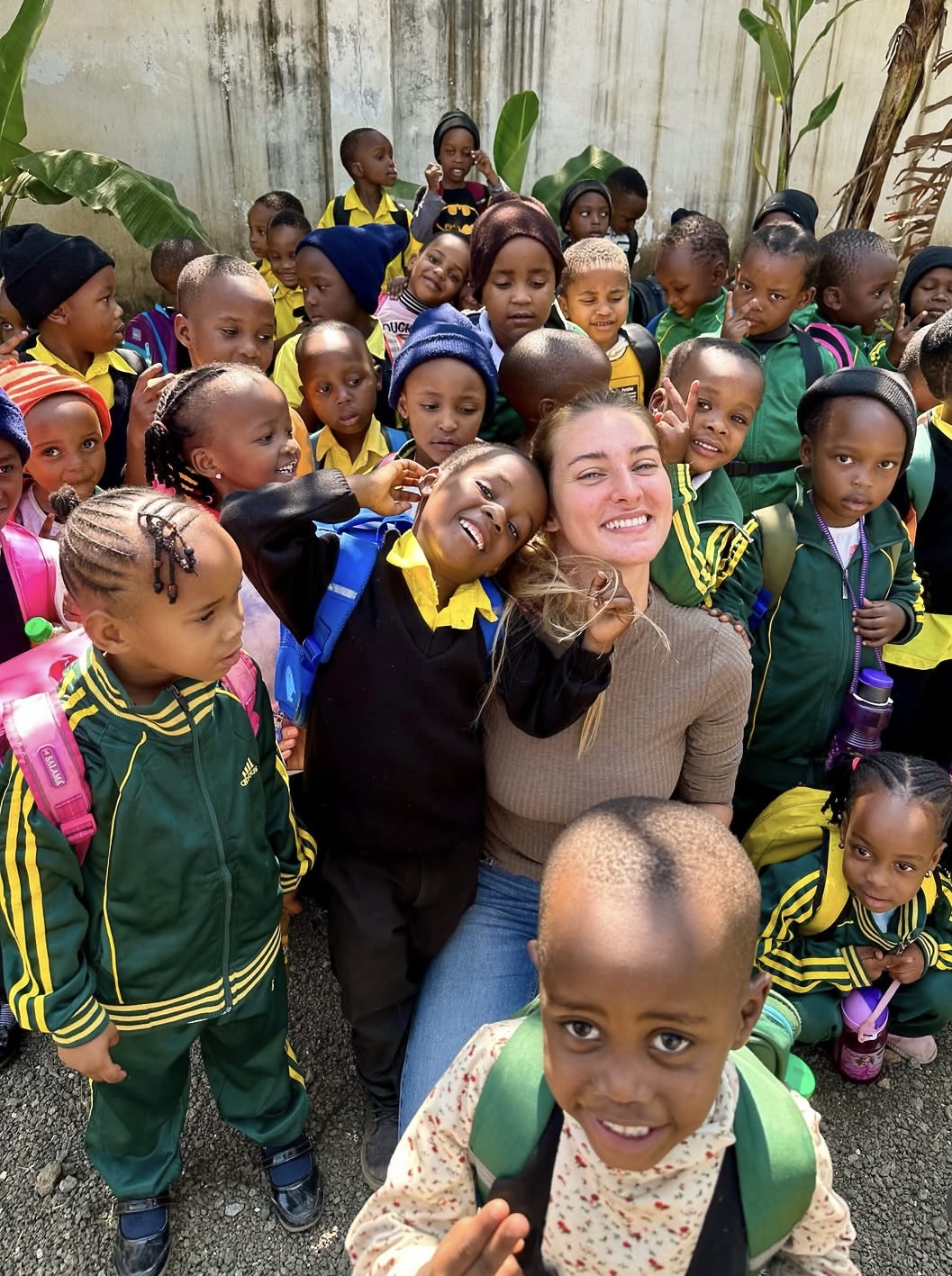
This is where we draw a line between meaningful volunteering and voluntourism. Our volunteers should understand that they are entering real communities and real workplaces. The people they meet are not tourist attractions, and children are not photo opportunities.
The experience of the volunteer should never be more important than the dignity of the people being supported.
Imagine arriving in a community for three weeks and deciding that you know what the community needs. Now imagine someone who has lived there their entire life. They understand the language, culture, family structures, history, challenges and opportunities.
A volunteer may come to Tanzania with professional knowledge, practical skills or experience that can be useful. But they should also leave with a deeper understanding of Tanzania and the people they have worked with. We believe this exchange is much more meaningful than the idea that one side has all the answers.
Rejecting voluntourism does not mean that international volunteers are unnecessary. When volunteering is structured responsibly, international volunteers can provide valuable support.
The important question is not whether international volunteers can help. The question is how they help.
Tanzania is not a place to “save”. We don’t want to present Tanzania as a place of helpless people waiting for Western intervention.
A country with challenges and opportunities. A country with poverty and incredible entrepreneurship. A country with communities that need support and people who are already working hard to create change. And a country from which international volunteers have just as much to learn as they have to give.
We don’t promise that one volunteer will change the world. We don’t believe that a two-week stay will “save” a community. That, to us, is ethical volunteering.
Come to work alongside Tanzanian people—not above them. Ethical volunteering is not a one-way relationship.